
No products in the cart.
Air Inflator Portable: Your Essential Car Care Companion
by iverol
Picture this: You're driving down a scenic highway on a crisp Saturday morning in 2026, coffee in hand, your favorite playlist setting the mood. Suddenly, you feel that telltale drag on the steering wheel. A quick glance at the dashboard confirms your fear-low tire pressure. But instead of panic, you simply pull over, reach into your trunk, and grab your air inflator portable. Within minutes, you're back on the road, crisis averted. This simple device has transformed from a luxury item into an essential companion for every driver who values preparedness and peace of mind.
Why Every Driver Needs an Air Inflator Portable in 2026
The automotive landscape has changed dramatically. We're no longer content to wait for roadside assistance or hunt down gas stations with working air pumps. Modern drivers demand self-sufficiency, and that's exactly what an air inflator portable delivers.
These compact powerhouses have revolutionized how we approach vehicle maintenance. Gone are the days of bulky, garage-bound compressors. Today's portable inflators fit comfortably in your trunk, glove compartment, or even a backpack. They're designed for the driver who refuses to be caught unprepared.
The Real-World Impact on Vehicle Safety
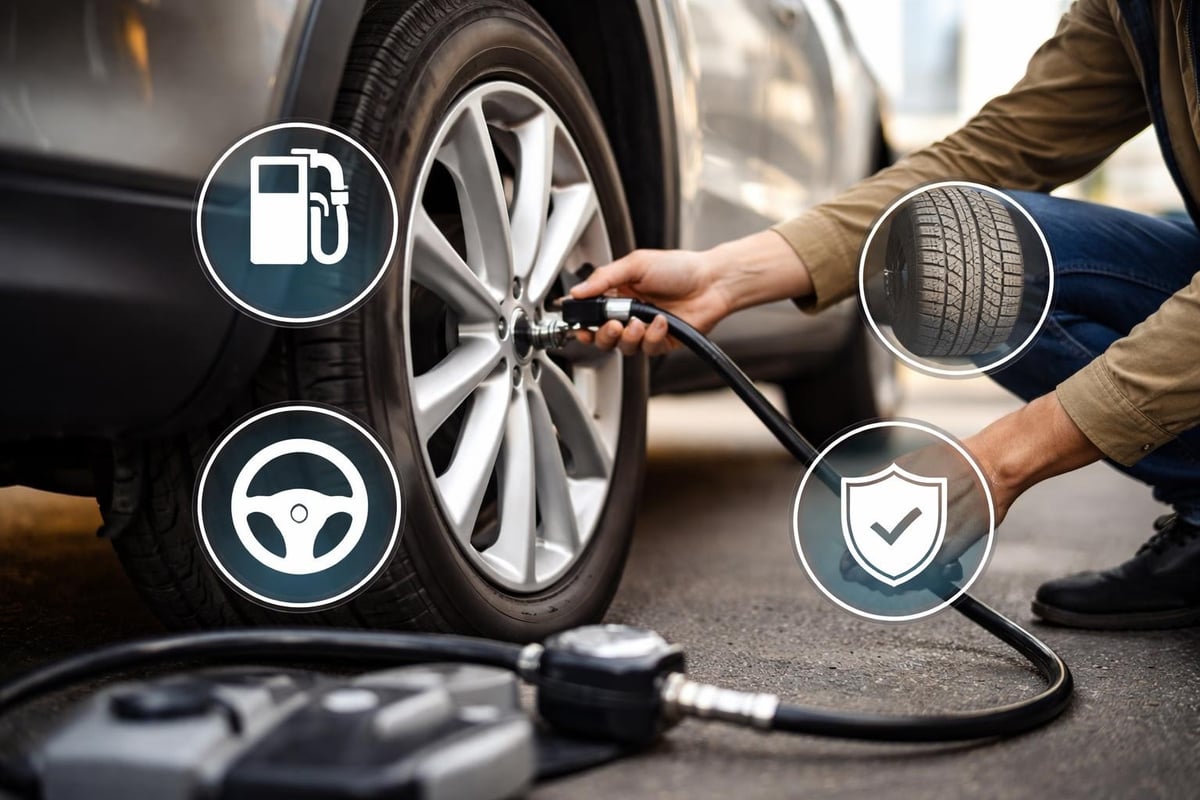
Proper tire pressure isn't just about convenience-it's a critical safety factor. Under-inflated tires reduce fuel efficiency by up to 3% and increase the risk of blowouts. Over-inflated tires decrease traction and wear unevenly.
An air inflator portable gives you the power to maintain optimal pressure anywhere, anytime. Whether you're preparing for a long road trip or simply conducting regular maintenance, this tool ensures your tires perform exactly as the manufacturer intended.
Key safety benefits include:
- Immediate response to pressure loss
- Prevention of tire damage from prolonged under-inflation
- Enhanced vehicle handling and braking performance
- Reduced risk of roadside emergencies
Understanding Air Inflator Portable Technology
Today's portable inflators are engineering marvels. They pack impressive power into surprisingly small packages, leveraging advanced motor technology and smart pressure sensors.
Power Sources and Performance Specifications
Modern air inflator portable units offer multiple power options to match different scenarios:
| Power Source | Best For | Typical PSI Range | Charge Time |
|---|---|---|---|
| 12V DC Car Outlet | On-the-go inflation | 100-150 PSI | N/A (Direct power) |
| Rechargeable Battery | Remote locations | 100-120 PSI | 3-4 hours |
| 110V AC Adapter | Home/garage use | 120-150 PSI | N/A (Direct power) |
| Dual Power (DC + Battery) | Maximum versatility | 100-150 PSI | 3-5 hours |
The best portable tire inflators combine multiple power options, giving you flexibility regardless of your situation. Battery-powered models have become increasingly popular in 2026, with lithium-ion technology providing extended runtime and faster charging.
Digital Precision and Smart Features
The latest air inflator portable models incorporate digital displays and programmable auto-shutoff features. You simply set your target PSI, press start, and the device automatically stops when it reaches the desired pressure. This eliminates guesswork and prevents over-inflation-a common mistake that can damage tires.
Advanced features to look for:
- LED flashlights for nighttime emergencies
- Digital pressure gauges with 0.5 PSI accuracy
- Multiple nozzle attachments for bikes, sports equipment, and inflatables
- Built-in power banks for charging devices
- Wireless connectivity for app-based monitoring
Choosing the Right Air Inflator Portable for Your Needs
Not all portable inflators are created equal. Your choice should reflect your specific driving habits, vehicle type, and typical usage scenarios.
Matching Device to Vehicle Type
Compact sedans have different inflation requirements than SUVs or trucks. Similarly, someone who frequently drives off-road needs more robust capabilities than a daily city commuter.
For standard passenger vehicles, look for an air inflator portable with at least 100 PSI maximum pressure and a flow rate of 30-35 liters per minute. This ensures reasonable inflation times without excessive waiting.
Truck and SUV owners should prioritize:
- Higher maximum PSI (150+)
- Increased airflow capacity (40+ L/min)
- Longer power cords for larger vehicles
- Heavy-duty construction for frequent use
Adventure enthusiasts who tackle rough terrain need devices that can handle demanding conditions. The top portable air compressors evaluated in 2026 include models specifically designed for overlanding and off-road applications.
Size, Weight, and Storage Considerations
Portability means different things to different people. A motorcycle rider has different space constraints than someone driving a full-size pickup truck.
Consider where you'll store your air inflator portable. Compact models weighing under two pounds fit easily in side door pockets or under seats. Larger, more powerful units might require dedicated trunk space but offer faster inflation and greater versatility.
The sweet spot for most drivers is a device weighing between 2-4 pounds with dimensions around 7x3x6 inches. This provides adequate power while remaining truly portable.
Operating Your Air Inflator Portable Safely and Effectively
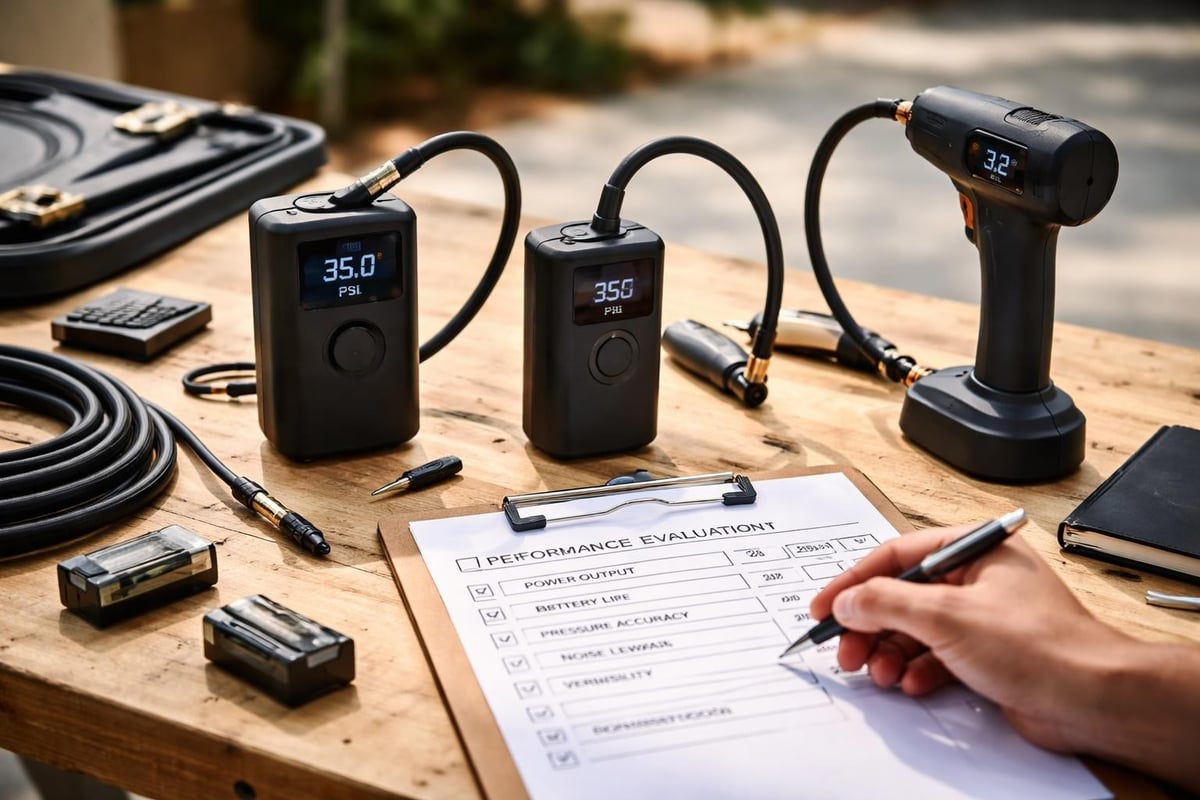
Even the most advanced air inflator portable requires proper operation to deliver optimal results and ensure longevity. Understanding best practices separates frustrating experiences from seamless ones.
Pre-Use Inspection and Setup
Before inflating anything, conduct a quick visual inspection of your device. Check the power cord for fraying, examine the air hose for cracks or leaks, and ensure all connections are secure. This 30-second habit prevents most operational issues.
Essential setup steps:
- Verify the correct nozzle attachment for your application
- Check battery charge level or power source availability
- Remove valve caps and clean valve stems
- Confirm current tire pressure before inflation
- Set target pressure on digital display
According to safety guidelines for portable electric air pumps, using the correct voltage and avoiding circuit overloads are critical for safe operation. Never exceed the manufacturer's recommended duty cycle, typically 10-15 minutes of continuous operation followed by a cooling period.
Avoiding Common Operational Mistakes
Even experienced drivers make errors when using their air inflator portable. One of the most frequent mistakes is over-inflation, which stresses tire sidewalls and reduces the contact patch with the road surface.
Always refer to your vehicle's recommended PSI, found on the driver's door jamb or owner's manual-not the maximum pressure stamped on the tire sidewall. That number represents the tire's absolute limit, not the optimal operating pressure.
Another common error is neglecting to check pressure when tires are cold. Driving generates heat, which increases pressure by 2-4 PSI. For accurate readings, check pressure after the vehicle has been parked for at least three hours.
The common mistakes to avoid while using a tire inflator include using the wrong power source and failing to monitor the inflation process. Stay present during operation-never set your device and walk away.
Maintenance and Care for Long-Term Performance
Your air inflator portable represents an investment in vehicle safety and convenience. Proper maintenance ensures it performs reliably when you need it most.
Regular Maintenance Schedule
Establish a quarterly maintenance routine to keep your device in peak condition. This doesn't require special tools or extensive time-just consistent attention to key components.
Quarterly maintenance checklist:
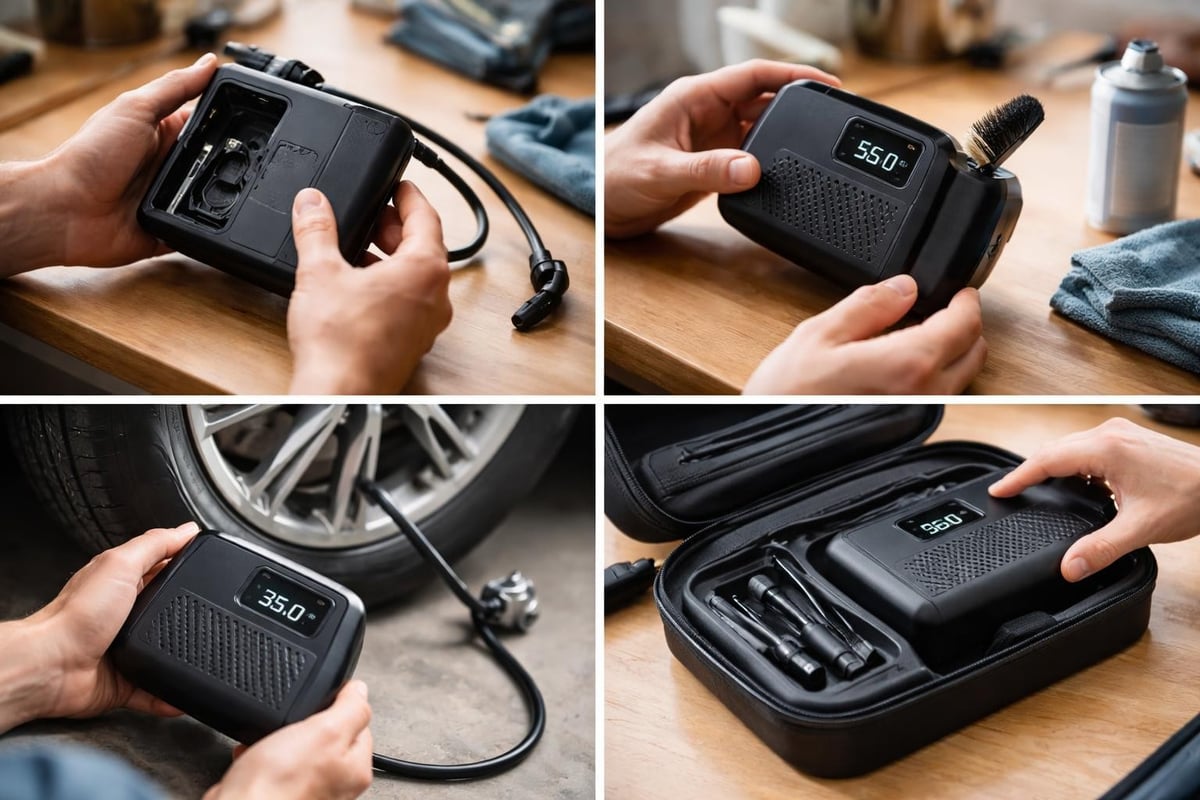
- Clean air intake vents with compressed air or a soft brush
- Inspect power cords and hoses for damage
- Test battery charge capacity and recharge if needed
- Verify pressure gauge accuracy against a known standard
- Lubricate moving parts according to manufacturer specifications
- Update firmware on smart models
The portable inflator maintenance and troubleshooting guide recommends a quarterly readiness audit to identify potential issues before they become problems. This proactive approach prevents roadside disappointments.
Storage Best Practices
How you store your air inflator portable significantly impacts its lifespan. Extreme temperatures damage electronic components and degrade rubber hoses.
Store your device in a climate-controlled environment when possible. If trunk storage is necessary, use a protective case and avoid placing heavy objects on top of it. Keep the unit away from direct sunlight, which accelerates plastic degradation.
For battery-powered models, maintain charge levels between 40-60% during extended storage periods. This preserves lithium-ion battery health and prevents capacity loss.
Troubleshooting Common Issues
Even well-maintained devices occasionally experience problems. Understanding basic troubleshooting saves time and frustration.
| Problem | Possible Cause | Solution |
|---|---|---|
| Won't turn on | Dead battery/poor connection | Recharge or check power source |
| Slow inflation | Clogged air filter | Clean or replace filter |
| Inaccurate pressure reading | Gauge needs calibration | Verify against known gauge |
| Excessive noise | Loose components | Tighten all screws and connections |
| Overheating | Extended use beyond duty cycle | Allow cooling period |
| Air leaking from connection | Worn seal/improper attachment | Replace seal or reseat connection |
Expanding Your Air Inflator Portable Capabilities
The versatility of modern portable inflators extends far beyond tire maintenance. Smart drivers leverage these devices for multiple applications, maximizing their value.
Beyond Tires: Alternative Applications
Your air inflator portable can handle numerous inflation tasks around your home and during recreational activities. Most units include multiple nozzle attachments designed for different valve types.
Common alternative uses:
- Bicycle tires and suspension systems
- Sports equipment (basketballs, soccer balls, footballs)
- Pool floats and inflatable toys
- Air mattresses for camping
- Inflatable boats and kayaks
- Exercise equipment (stability balls, workout mats)
This multi-purpose functionality transforms your car care tool into a household essential. Many drivers discover they use their portable inflator more frequently for non-automotive applications than they initially expected.
Integration with Modern Vehicle Systems
As vehicles become increasingly connected, air inflator portable devices are evolving to integrate with vehicle monitoring systems. Some 2026 models feature Bluetooth connectivity that syncs with tire pressure monitoring systems (TPMS) to provide real-time inflation guidance.
These smart inflators can store pressure specifications for multiple vehicles, making them ideal for families with several cars or for drivers who frequently help others. Simply select your vehicle profile, and the device automatically sets the correct target pressure.
Making the Most of Your Investment
Purchasing an air inflator portable represents just the beginning. Maximizing this investment requires understanding advanced features and staying current with emerging capabilities.
Advanced Features Worth Considering
Premium models offer features that justify higher price points for drivers who value convenience and performance. Wireless operation eliminates tangled cords, while high-capacity batteries enable multiple inflation cycles on a single charge.
Some units incorporate dual functionality as power banks, allowing you to charge phones and tablets during roadside emergencies. Others include built-in air compressors capable of powering pneumatic tools for light-duty applications.
Seasonal Considerations for Optimal Use
Temperature fluctuations significantly affect tire pressure. For every 10-degree Fahrenheit change, tire pressure shifts approximately 1 PSI. This means your properly inflated summer tires may be several PSI low when winter arrives.
Drivers in regions with dramatic seasonal temperature swings should check tire pressure monthly and adjust accordingly with their air inflator portable. This simple practice prevents unnecessary tire wear and maintains optimal fuel efficiency year-round.
Spring and fall represent ideal times to conduct comprehensive vehicle checks, including tire rotation and pressure adjustment. Having your portable inflator readily available makes these routine tasks significantly more convenient.
Safety Precautions and Best Practices
While air inflator portable devices are generally safe, following proper precautions prevents accidents and extends device life. Understanding these guidelines protects both you and your equipment.
Critical Safety Guidelines
Never operate your inflator in wet conditions unless it's specifically rated as waterproof. Most devices contain electrical components vulnerable to moisture damage. If you must inflate during rain, work under cover and keep the motor housing dry.
According to safety precautions when using micro inflator pumps, keeping the pump away from flammable materials and avoiding over-inflation are essential safety measures. Always maintain clear space around the device during operation to prevent overheating.
Key safety practices include:
- Never exceed rated pressure capacity
- Allow cooling periods during extended use
- Keep children and pets away during operation
- Inspect valves before connecting inflator
- Stand clear of tire sidewalls during inflation
- Use appropriate eye protection
Environmental and Economic Benefits
Owning an air inflator portable delivers benefits beyond convenience. This simple tool contributes to environmental sustainability and long-term cost savings.
Fuel Efficiency and Emissions Reduction
Properly inflated tires reduce rolling resistance, directly improving fuel economy. Studies consistently show that maintaining correct tire pressure can improve fuel efficiency by 3-5%. Over a year of driving, this translates to significant savings at the pump.
Additionally, well-maintained tires last longer, reducing the environmental impact of tire manufacturing and disposal. The ability to quickly address pressure issues with your air inflator portable helps prevent premature tire wear caused by improper inflation.
Long-Term Cost Analysis
Consider the economics: A single roadside assistance call for a flat tire can cost $50-100. Most quality air inflator portable units cost less than two service calls, meaning they pay for themselves quickly.
Beyond emergency situations, regular access to inflation capability encourages consistent tire maintenance. This prevents the cumulative damage caused by driving on under-inflated tires, extending tire life by thousands of miles.
Professional tire shops typically charge $5-10 for air services or "free" air that requires a purchase. With your own device, you eliminate these recurring costs entirely while maintaining control over your maintenance schedule.
Investing in an air inflator portable transforms how you approach vehicle maintenance, turning potential roadside emergencies into minor inconveniences handled in minutes. The combination of convenience, safety benefits, and long-term cost savings makes this tool an essential addition to every driver's automotive toolkit. When you're ready to enhance your vehicle care routine with premium automotive accessories and practical solutions, Iverol LLC offers a carefully curated selection of high-quality car care products designed to keep your vehicle performing at its best.
Portable Tire Inflator Compressor: Essential Guide
Feb 27, 2026
Further reading


Leave a comment