
No products in the cart.
Edge Car Accessories: Complete Guide to Vehicle Protection
by iverol
Your car faces countless threats every single day. From tight parking spaces to careless door swings, shopping carts to garage mishaps, the edges of your vehicle take a beating. I learned this the hard way when a simple trip to the grocery store left my new sedan with an ugly scratch along the driver's side door. That moment changed everything about how I viewed vehicle protection. Edge car accessories aren't just add-ons; they're essential shields that preserve your investment and keep your ride looking showroom fresh.
Understanding the World of Edge Car Accessories
Edge car accessories represent a specialized category of protective products designed specifically to guard the most vulnerable parts of your vehicle. These aren't the flashy modifications that turn heads at car shows. Instead, they're practical warriors working silently to prevent damage before it happens.
The edges of your car, bumpers, doors, trunk lids, and rooflines are constantly exposed to potential harm. A colleague of mine once told me about her daughter's car, which collected dozens of tiny dings within its first year simply from college parking lot encounters. Edge car accessories could have prevented most of that damage.
What Makes These Accessories Different
Traditional car accessories focus on performance upgrades or aesthetic enhancements. Edge protection products, however, prioritize preventive maintenance. They create barriers between your vehicle's vulnerable surfaces and the outside world.
The global car accessories market has recognized this shift toward protective solutions, with manufacturers developing increasingly sophisticated options. Modern edge car accessories combine durability with design, offering protection without compromising your vehicle's appearance.
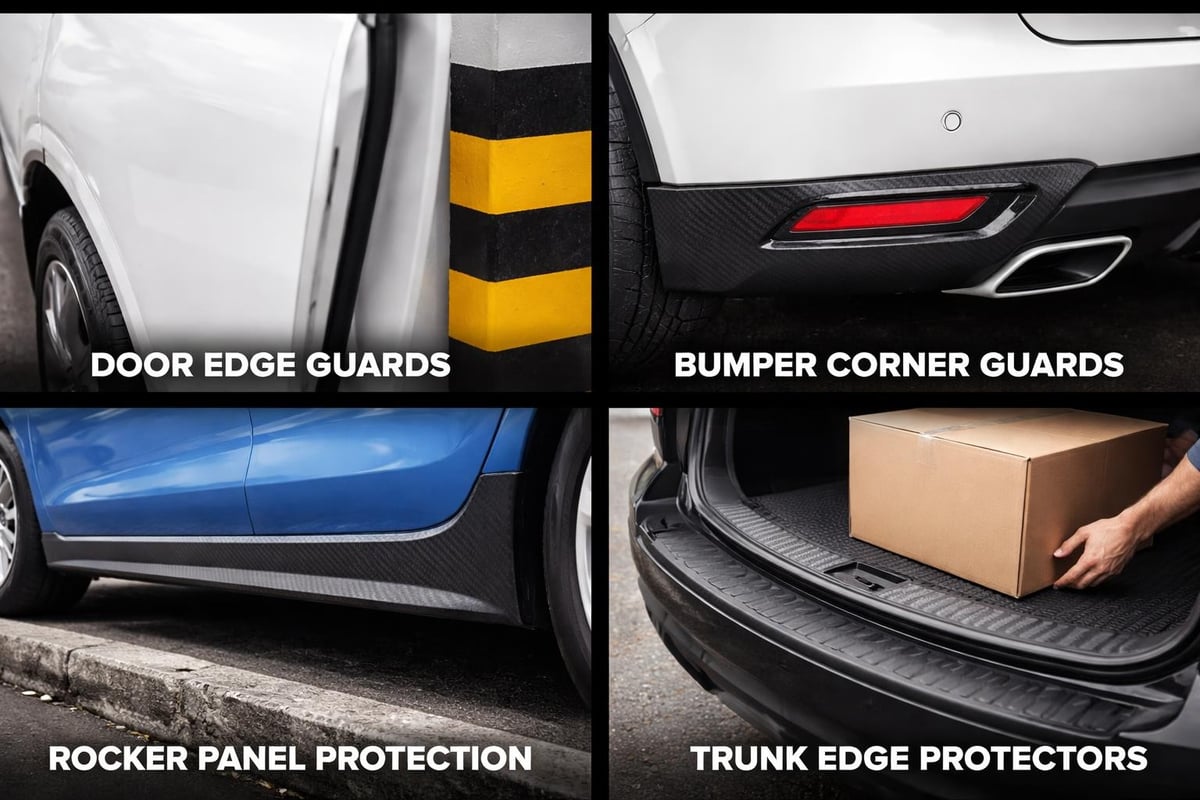
Door Edge Guards: Your First Line of Defense
Door edge guards stand as the most popular form of edge car accessories, and for good reason. Every time you park in a public lot, you're gambling with your door's finish. One careless neighbor, one strong gust of wind, and you've got a permanent reminder etched into your paint.
I remember installing my first set of door edge guards after witnessing a minivan door slam into the car next to it. The sound still makes me cringe. These simple strips of protective material run along the outer edge of your doors, absorbing impacts that would otherwise chip or scratch your paint.
Types of Door Edge Protection
- Adhesive strips: Easy installation with strong bonding
- Molded guards: Custom-fitted to specific vehicle models
- Universal fit options: Adjustable solutions for any car
- Transparent designs: Nearly invisible protection
- Color-matched varieties: Seamlessly blend with your paint
The 4× Edge Guard door protection available through major retailers demonstrates how accessible these solutions have become. Quality edge car accessories no longer require professional installation or premium pricing.
Installation Tips That Actually Work
Installing door edge guards seems straightforward until you try it yourself. Here's what three years of experience taught me:
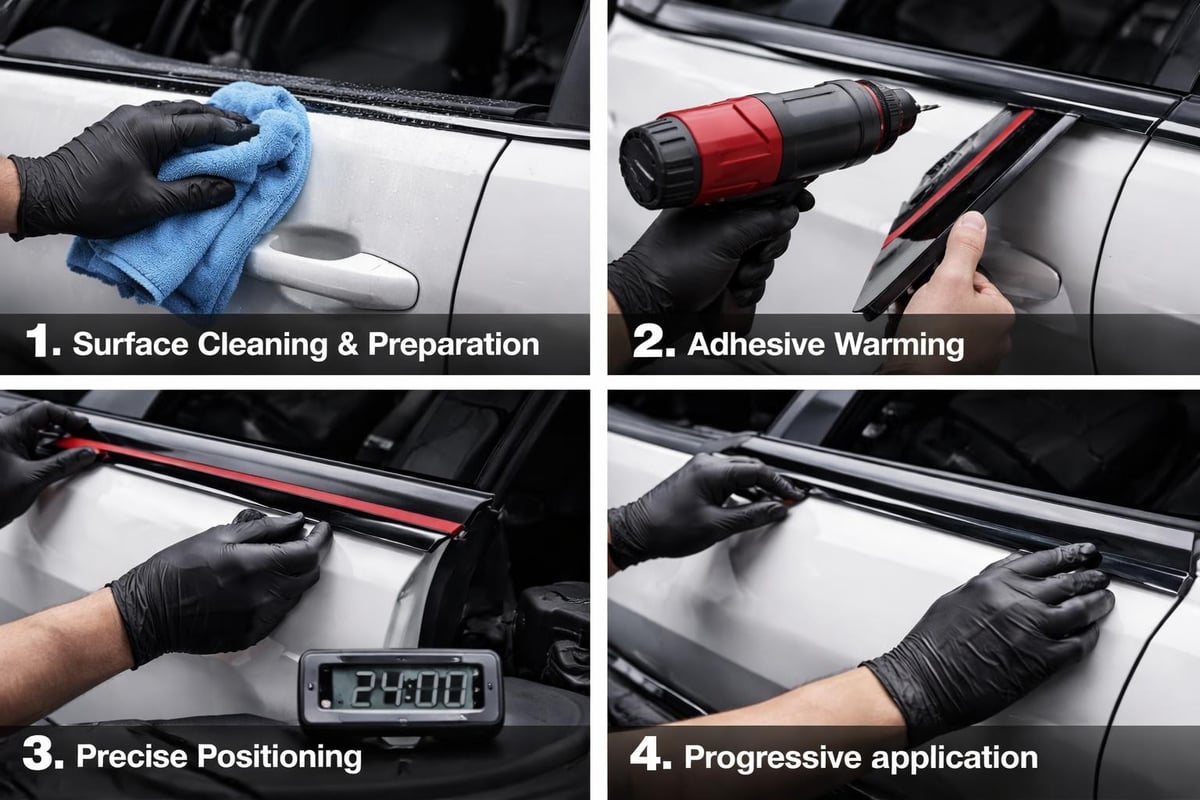
- Clean the surface thoroughly with isopropyl alcohol, not just soap and water
- Warm the adhesive slightly with a hair dryer for better bonding
- Apply in temperatures above 60°F for optimal adhesion
- Press firmly for 30 seconds at multiple points along the strip
- Avoid car washes for 48 hours to let adhesive cure completely
The difference between a guard that lasts years and one that peels off in weeks often comes down to these preparation steps. Edge car accessories only work when properly installed.
Bumper and Corner Protection Solutions
Bumpers absorb more abuse than any other vehicle component. Low-speed parking maneuvers, curb encounters, and loading zone bumps all take their toll. My father's truck suffered so much bumper damage from backing up to his boat trailer that he finally invested in serious corner protection.
Corner guards specifically protect the vulnerable edges where your front and rear bumpers meet the sides of your vehicle. These areas catch everything from parking barriers to tight garage clearances.
| Protection Type | Coverage Area | Installation Difficulty | Durability Rating |
|---|---|---|---|
| Corner Guards | Bumper ends | Easy | High |
| Bumper Strips | Full width | Moderate | Very High |
| Clear Film | Custom areas | Difficult | Excellent |
| Rubber Molding | Edges only | Easy | Good |
Modern exterior car accessories integrate smart materials that absorb impacts while maintaining flexibility across temperature ranges. The technology has evolved dramatically from the bulky rubber bumpers of decades past.
Trunk and Cargo Area Edge Protection
Loading and unloading cargo creates constant friction against trunk edges and liftgate sills. My sister's SUV developed worn paint along the rear bumper edge within months of regular grocery hauling. She hadn't considered how bags scraping across the surface would accumulate damage.
Edge car accessories for trunk areas serve dual purposes: protecting your vehicle's finish and preventing damage to items being loaded. A scratched bumper edge can snag clothing, tear shopping bags, or damage luggage.
Cargo Protection Options
Trunk edge protectors come in several configurations. Some attach magnetically for temporary use, while others bond permanently for continuous protection. The choice depends on your loading frequency and the types of items you regularly transport.
- Magnetic trunk edge pads for occasional use
- Adhesive bumper protectors for daily drivers
- Rubberized loading strips for heavy cargo
- Clear protective film for invisible coverage
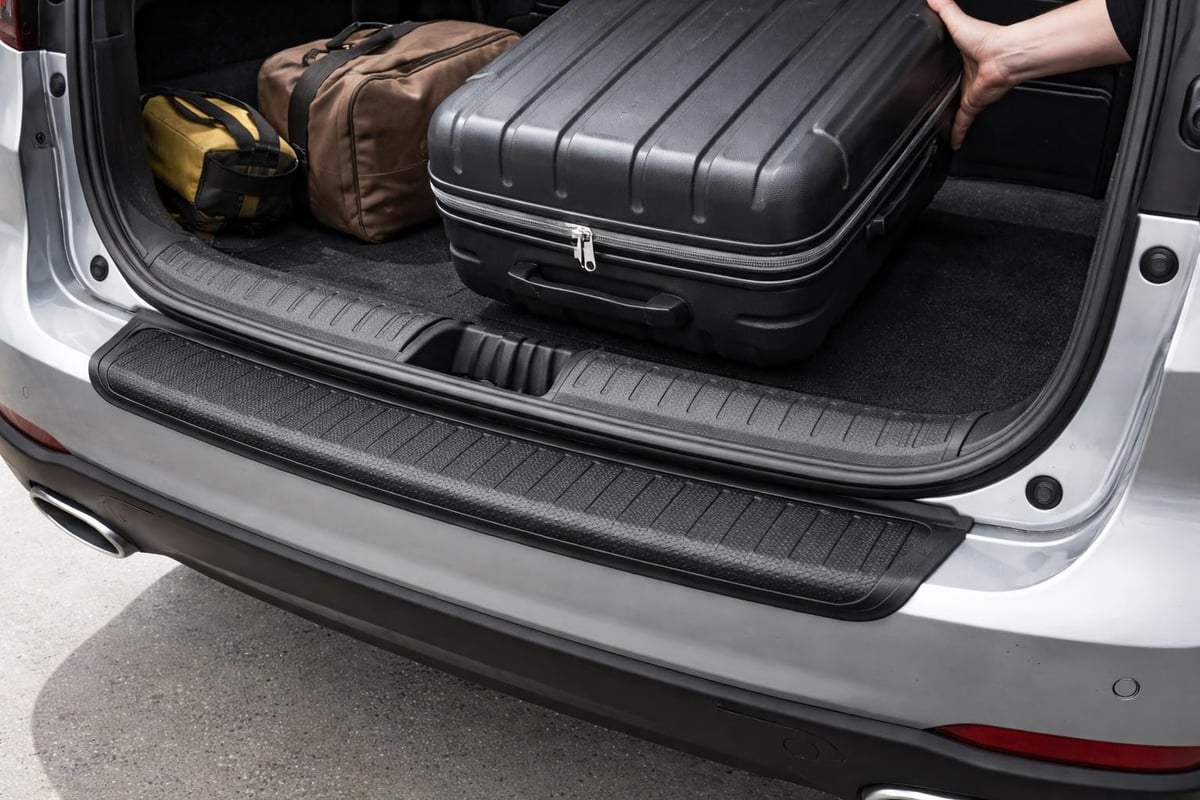
The Uxcell 12pcs Car Door Edge Guards package shows how affordable comprehensive protection can be when you protect multiple vulnerable areas simultaneously.
Rocker Panel and Side Trim Protection
Rocker panels run along your car's lower sides, connecting front and rear wheel wells. These low-hanging edges face constant threats from road debris, curb strikes, and parking lot concrete stops. Winter driving adds another challenge: salt and ice buildup that corrodes unprotected edges.
I once watched a friend casually scrape his rocker panel against a concrete parking stop, creating a six-inch gouge that required professional repair. The damage happened so quickly, so quietly, that he didn't even realize it until we pointed it out.
Why Side Protection Matters
Beyond aesthetics, rocker panel damage often leads to rust and structural issues. Once paint is compromised, moisture finds its way to bare metal. In regions with harsh winters, this accelerates exponentially. Edge car accessories for rocker panels create sealed barriers that prevent both impact damage and corrosion.
Professional-grade side trim protection includes:
- Impact-resistant moldings that deflect road debris
- Sealed edges preventing moisture intrusion
- UV-resistant materials maintaining appearance over time
- Flexible designs conforming to curved body lines
- Easy-clean surfaces repelling mud and grime
Material Science Behind Edge Protection
The effectiveness of edge car accessories depends entirely on material selection. Early products used basic rubber or plastic that hardened, cracked, or yellowed within months. Today's solutions leverage advanced polymers and composites engineered for automotive environments.
A materials engineer once explained to me how modern edge guards balance competing demands: they must remain flexible in freezing temperatures yet withstand summer heat that can reach 150°F on dark surfaces. They need UV resistance, chemical resistance against cleaners and road salt, and impact absorption capabilities.
Comparing Protection Materials
| Material | Flexibility | Durability | UV Resistance | Cost |
|---|---|---|---|---|
| PVC | Good | Moderate | Fair | Low |
| Rubber | Excellent | Good | Good | Moderate |
| Polyurethane | Very Good | Excellent | Excellent | High |
| TPE | Excellent | Very Good | Very Good | Moderate |
| Carbon Fiber | Poor | Excellent | Excellent | Very High |
The extensive selection of quality car care products demonstrates how material innovation has created options for every budget and protection need.
Color Matching and Aesthetic Considerations
Protection shouldn't compromise appearance. The best edge car accessories either blend invisibly or complement your vehicle's design intentionally. Clear options disappear against most paint colors, while color-matched products integrate seamlessly with your car's factory finish.
I've seen cars where poorly chosen edge guards created visual distractions that diminished the vehicle's overall appeal. Black guards on a white car create harsh contrast lines. Cheap chrome trim on a modern sedan screams "aftermarket."
Finding the Right Look
Smart aesthetic choices start with understanding your vehicle's design language. Modern cars feature clean, flowing lines. Protection products should follow these curves naturally rather than interrupting them with geometric shapes or contrasting colors.
Edge car accessories have evolved to offer customization options that weren't available even five years ago. Custom color matching, textured finishes, and even patterns that coordinate with existing trim packages give owners creative control.
Installation Best Practices Across All Edge Products
Proper installation determines whether your edge car accessories last five years or five weeks. I've made every mistake possible, from installing in cold weather to skipping surface preparation. Each failure taught valuable lessons.
The most critical factor? Surface preparation accounts for 80% of installation success. Wax residue, dust particles, or moisture trapped under adhesive backing creates weak spots that eventually fail.
Step-by-Step Installation Success
Professional installers follow methodical processes that home DIYers often skip. These steps apply regardless of which edge car accessories you're installing:
- Wash the entire area with car soap and water
- Dry completely using lint-free microfiber towels
- Wipe with isopropyl alcohol to remove any remaining residue
- Check temperature conditions matching manufacturer specifications
- Test-fit before peeling adhesive to verify positioning
- Apply from one end progressively avoiding air bubbles
- Use firm, consistent pressure during application
- Allow proper curing time before exposing to moisture
Temperature control makes an enormous difference. Adhesives activate and bond best between 60-80°F. I learned this after watching expensive edge guards peel off during a cold snap because I'd installed them in 45-degree weather.
Maintenance and Long-Term Care
Installing edge car accessories represents only half the equation. Proper maintenance extends their protective life significantly. My original door edge guards lasted over four years because I treated them as part of regular vehicle care rather than forgetting about them after installation.
Care Tips That Extend Life
Regular washing actually helps edge protection products. Road salt, industrial fallout, and environmental contaminants that settle on protective strips can degrade materials over time. Gentle cleaning removes these threats.
- Wash edge accessories during regular car washes
- Avoid high-pressure washers directly on adhesive edges
- Apply UV protectant spray every three months
- Inspect for lifting or damage quarterly
- Replace sections showing significant wear
Some owners apply ceramic coating over clear edge protection for additional UV resistance and easier cleaning. This extra step creates a hydrophobic surface that repels water, dirt, and road grime.
Cost Analysis: Prevention Versus Repair
The financial argument for edge car accessories becomes crystal clear when you price professional paint repair. A single door ding repair typically costs $75-150. Deep scratches requiring color matching and blending? $200-400 per panel. Bumper refinishing easily exceeds $500.
I compared notes with a body shop owner who sees preventable damage daily. He estimated that 60% of minor cosmetic repairs involve edge damage that proper protection could have prevented. Those numbers represent thousands of dollars in avoidable expenses across a vehicle's lifetime.
Investment Breakdown
| Protection Investment | Coverage | Potential Repair Savings | ROI Timeline |
|---|---|---|---|
| Door Edge Guards ($20-40) | 4 doors | $300-600 | First incident |
| Bumper Protection ($30-60) | Front/rear | $500-1000 | First year |
| Rocker Guards ($40-80) | Both sides | $400-800 | 2-3 years |
| Complete Kit ($100-200) | Full vehicle | $1500-3000 | Vehicle lifetime |
Beyond repair costs, edge car accessories preserve resale value. Buyers notice cosmetic condition immediately. A car showing edge wear, door dings, and bumper scuffs sells for hundreds or thousands less than identical vehicles in pristine condition.
Choosing Quality Over Price
The edge protection market spans from dollar store strips to premium engineered systems. This range confuses buyers trying to balance budget constraints with performance needs. My advice after testing countless products: mid-range options typically offer the best value proposition.
Ultra-cheap edge car accessories often use inferior adhesives that fail within months or materials that discolor quickly. Premium options sometimes charge for brand names rather than substantially better performance. The sweet spot exists in the middle tier where established manufacturers compete on quality and features.
Customer experiences shared on platforms reviewing various edge accessory brands reveal patterns. Products with hundreds of verified reviews showing consistent performance deserve consideration over unknown brands with limited feedback.
Smart Shopping Strategies
Finding reliable edge car accessories requires researching beyond product descriptions. I've learned to evaluate several factors before purchasing:
Material specifications should clearly identify composition and expected lifespan. Vague marketing language like "premium materials" means nothing without specifics.
Vehicle compatibility matters especially for molded products. Universal-fit claims sometimes mean "fits nothing perfectly." Check vehicle-specific applications when possible through resources like the comprehensive product catalog offered by specialized retailers.
Installation requirements vary dramatically. Some products need professional installation, others work as simple peel-and-stick applications. Match complexity to your skill level honestly.
Warranty coverage indicates manufacturer confidence. Quality edge car accessories typically include 1-3 year warranties against defects, fading, and adhesive failure.
Seasonal Considerations for Edge Protection
Weather extremes test edge car accessories relentlessly. Summer heat softens adhesives and can warp poorly designed products. Winter cold makes plastics brittle while road salt attacks protective coatings. Spring pollen and fall leaves might seem harmless but create abrasive layers when moisture is present.
My Minnesota-based cousin learned about seasonal stress when his budget edge guards cracked during a polar vortex. The material couldn't handle temperature swings from 90°F summer days to -20°F winter nights. He replaced them with cold-weather rated products that lasted five years through brutal conditions.
Preparing for Seasonal Changes
- Summer preparation: Apply UV protectant before peak sun exposure
- Winter readiness: Ensure complete adhesion before first freeze
- Spring cleaning: Remove accumulated debris and salt residue
- Fall inspection: Check for summer heat damage before cold weather
The Future of Edge Protection Technology
Innovation continues transforming edge car accessories from passive shields into smart protection systems. Self-healing materials that repair minor scratches automatically are entering consumer markets. Nano-coating technologies create molecular bonds that repel damage at microscopic levels.
I recently tested edge protection incorporating color-change technology that indicates when impact occurs, helping owners identify and address damage immediately. These advances hint at a future where edge car accessories actively monitor and respond to threats.
The integration of sustainable materials also reshapes the industry. Recycled ocean plastics, bio-based polymers, and recyclable components appeal to environmentally conscious consumers without compromising protection capabilities. This trend aligns with broader automotive industry movements toward sustainability.
Protecting your vehicle's edges from daily wear represents one of the smartest investments any car owner can make, preventing costly repairs while maintaining your car's appearance and value for years to come. Whether you're safeguarding a new purchase or refreshing an older vehicle, choosing the right edge car accessories makes all the difference. Iverol LLC offers carefully curated car care solutions and protective accessories designed to keep your vehicle looking its best, combining practical functionality with durable construction across a wide range of products suitable for various vehicle models.
Further reading


Leave a comment