
No products in the cart.
Fitting Car Accessories: Complete Guide for 2026
by iverol
Every car owner has experienced that moment of frustration when a new accessory doesn't quite fit right, or the discomfort of settling into a driver's seat that feels all wrong. The journey toward fitting car accessories and adjusting your vehicle properly isn't just about aesthetics or comfort-it's a critical element of safety, performance, and enjoying every mile you drive. Whether you're installing a new floor mat, adjusting your seat position, or selecting the perfect steering wheel cover, understanding the fundamentals of proper vehicle fitting transforms your driving experience from merely functional to genuinely enjoyable.
Understanding the Fundamentals of Fitting Car Components
The concept of fitting car elements properly extends far beyond simply installing aftermarket parts. It encompasses everything from your physical relationship with the vehicle controls to how accessories integrate with your car's existing systems. When we talk about proper fitting, we're discussing alignment, compatibility, and optimization across multiple dimensions.
Your vehicle was designed with specific tolerances and measurements in mind. Understanding these factory specifications helps you make informed decisions about which products will work seamlessly with your particular make and model. The automotive quality management standards that manufacturers follow ensure consistency, but aftermarket accessories require careful selection to maintain that precision.
Driver Position and Ergonomic Fitting
Before adding any accessories, establishing the correct driver position forms the foundation of fitting car elements properly. Your seat should position you where you can reach all controls comfortably while maintaining proper visibility. The AARP provides excellent guidance on adjusting your vehicle for optimal comfort and safety.
Key position adjustments include:
- Seat height allowing clear dashboard visibility
- Distance from pedals enabling full depression without stretching
- Backrest angle supporting your lower back at 100-110 degrees
- Headrest positioned at ear level
- Steering wheel within easy reach without shoulder strain
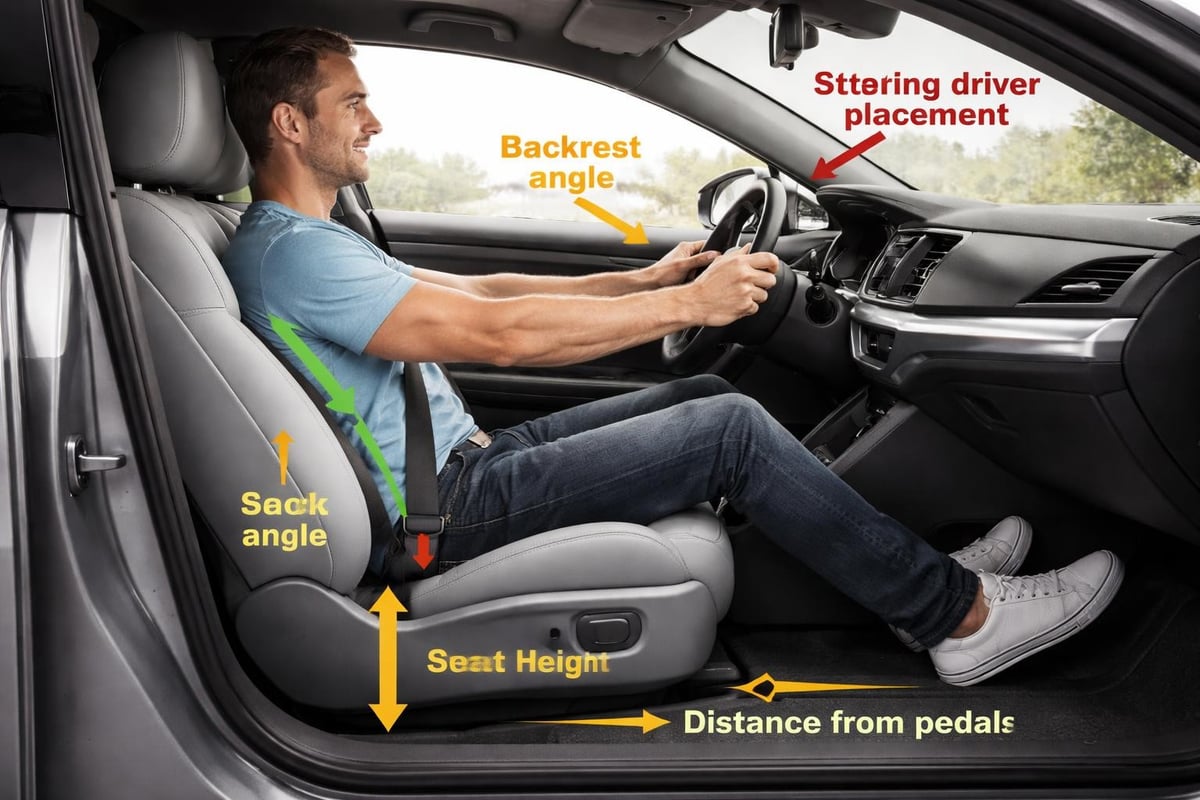
Once you've established your ideal driving position, you can begin selecting accessories that enhance rather than compromise this setup. A seat cushion might seem like a minor addition, but the wrong thickness can throw off your carefully calibrated position. Similarly, steering wheel covers should maintain the original diameter and grip texture that works with your reach and hand size.
Selecting Compatible Accessories for Your Vehicle
The marketplace overflows with car accessories, but not every product suits every vehicle. Fitting car accessories successfully requires understanding compatibility factors that go beyond basic measurements. Modern vehicles incorporate complex electronic systems, safety features, and design elements that interact with aftermarket products in unexpected ways.
Material and Dimensional Compatibility
When choosing accessories, start with precise measurements of the space or component you're working with. Floor mats represent a perfect example of where exact fitting matters tremendously. A mat that's too small slides around, creating a safety hazard. One that's too large can interfere with pedal operation, potentially causing accidents.
| Accessory Type | Critical Measurement | Common Fitting Issues |
|---|---|---|
| Floor Mats | Floor pan dimensions, pedal clearance | Interference with pedals, bunching |
| Seat Covers | Seat width, height, headrest style | Poor fit affecting airbag deployment |
| Dashboard Covers | Dashboard contours, airbag locations | Blocking vents, airbag interference |
| Console Organizers | Console dimensions, cupholder positions | Blocking controls, loose fitting |
The Certified Automotive Parts Association’s test fit program demonstrates how even replacement parts require rigorous testing to ensure proper fitment. This same principle applies to accessories-quality manufacturers test their products across multiple vehicle models to guarantee appropriate fitting.
Technology Integration Considerations
Modern vehicles incorporate technology that accessories must accommodate. Phone mounts can't block wireless charging pads. Seat covers need to allow side-impact airbags to deploy properly. Dashboard cameras require stable mounting that doesn't interfere with advanced driver assistance systems.
When fitting car technology accessories, consider these factors:
- Power source compatibility with your vehicle's electrical system
- Mounting location that doesn't obstruct sensors or cameras
- Cable routing that maintains a clean, safe installation
- Climate resistance appropriate for your region's weather patterns
- Removal accessibility for maintenance or vehicle servicing
The explosion of USB-powered devices has created particular challenges for fitting car accessories. Your vehicle might have USB ports, but their amperage output varies. A dash camera requiring 2.4 amps won't function properly when connected to a 1-amp port. Understanding these specifications prevents frustration and ensures your accessories perform as designed.
Installation Techniques for Perfect Fitment
Even the most carefully selected accessory can disappoint if installed improperly. Fitting car accessories demands attention to detail, the right tools, and often more patience than you'd expect. The difference between a professional-looking installation and an obvious DIY job usually comes down to taking time to do things right the first time.
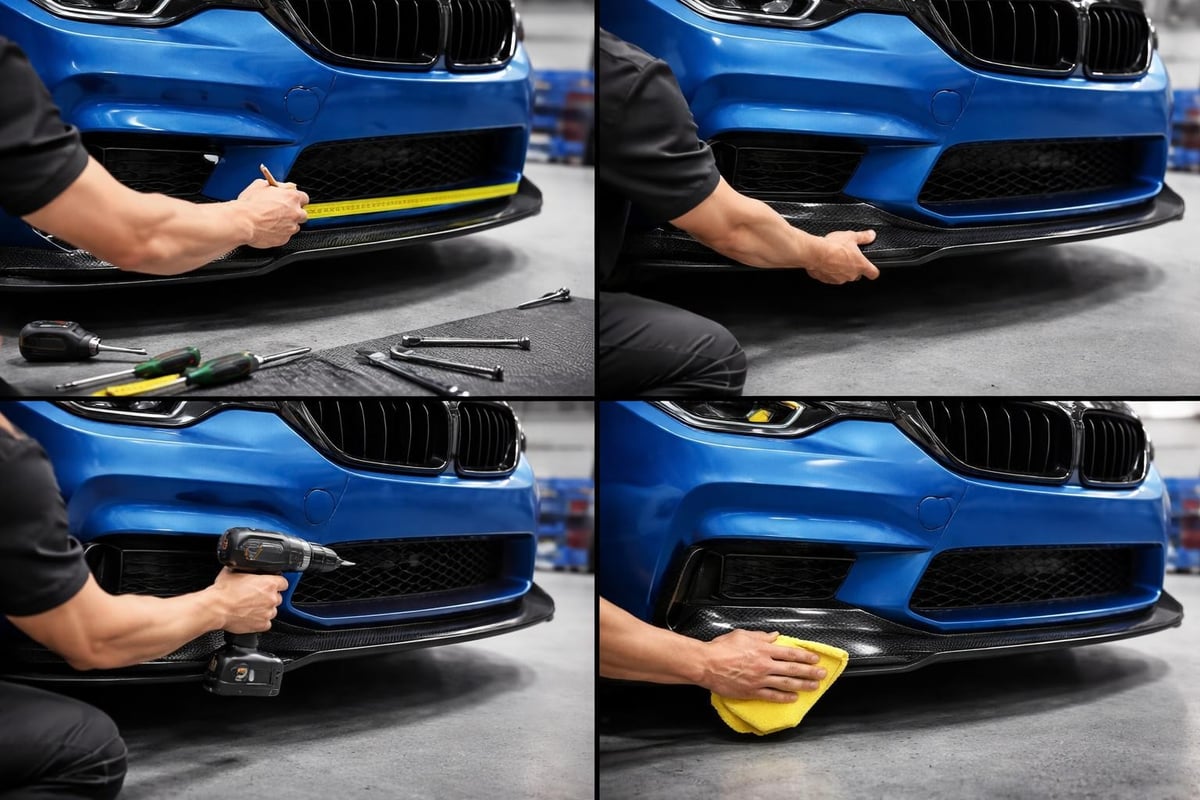
Preparation and Planning
Success in fitting car accessories begins before you open the packaging. Read installation instructions completely, even if you've installed similar products before. Manufacturers sometimes update designs or procedures, and vehicle-specific variations require different approaches.
Pre-installation checklist:
- Clean installation surface thoroughly
- Gather all required tools
- Review vehicle manual for relevant information
- Test fit without permanent attachment
- Identify potential interference points
Many installations benefit from a trial run. Position the accessory without using adhesive, clips, or fasteners. This test fitting reveals potential problems when you can still adjust your approach. Does the cargo organizer fit your trunk's unique contours? Will the new steering wheel cover clear the adjustment levers? These questions deserve answers before commitment.
Securing Accessories Properly
The method of attachment matters enormously when fitting car accessories. Adhesive-backed products require clean, dry surfaces and often benefit from temperature control. Installing accessories in a heated garage during winter ensures adhesive bonds properly. Summer installations might require shade to prevent adhesive from becoming too soft during positioning.
Clip-on accessories seem straightforward but often have specific installation sequences. Headrest-mounted tablet holders, for example, typically require removing the headrest completely, threading straps, then reinstalling. Attempting shortcuts usually results in unstable mounting or damage to the headrest posts.
Safety Standards and Compliance Considerations
Fitting car accessories intersects with safety regulations more than most people realize. The Federal Motor Vehicle Safety Standards establish requirements for vehicle design and performance, and some aftermarket modifications can inadvertently violate these standards or compromise safety systems.
Airbag Deployment Zones
Perhaps no safety concern matters more when fitting car accessories than airbag compatibility. Side-impact airbags deploy from seats, so seat covers must allow this. Dashboard airbags require clear deployment paths, making certain dashboard covers potentially dangerous. Even window-mounted accessories can become projectiles during airbag deployment.
Quality manufacturers clearly label products as airbag-compatible and provide installation instructions that maintain safety. If you're considering an accessory for an area with airbag deployment, verify compatibility explicitly. The risk isn't worth saving a few dollars on a non-compliant product.
Child Safety Equipment Fitting
For families, fitting car seats represents one of the most critical accessory installations. The guidelines for ensuring proper car seat harness fit from medical experts emphasize how critical correct installation becomes for child safety. While car seats aren't typically categorized with other accessories, they require the same attention to proper fitment.
The LATCH system standardizes car seat attachment, but proper fitting still demands careful attention. Seat belts must route through designated paths, harnesses need appropriate tension, and the seat itself shouldn't move more than one inch in any direction when properly installed.
Maintaining Proper Fit Over Time
Even perfectly fitted car accessories can lose their optimal positioning over time. Temperature fluctuations cause materials to expand and contract. Vibration loosens fasteners. Regular use stretches elastic components. Maintaining the quality of your fitting car accessories requires periodic inspection and adjustment.
Seasonal Adjustments and Maintenance
Different seasons create unique challenges for fitted accessories. Floor mats accumulate different debris between summer and winter, affecting how they sit. Extreme cold makes rubber and plastic brittle, potentially causing clips to break. Summer heat can soften adhesives, allowing accessories to shift.
| Season | Common Issues | Maintenance Tasks |
|---|---|---|
| Winter | Salt corrosion, ice buildup, brittle clips | Clean thoroughly, check adhesive bonds, inspect clips |
| Spring | Pollen accumulation, moisture damage | Deep clean, dry completely, re-position shifted items |
| Summer | UV degradation, heat-softened adhesives | Check for fading, verify secure attachment, condition materials |
| Fall | Leaf debris, temperature fluctuations | Remove trapped debris, tighten loose fittings, prepare for winter |

Setting a maintenance schedule helps preserve proper fitting. Every oil change provides an opportunity to inspect accessories for wear, shifting, or damage. This regular attention prevents small issues from becoming safety hazards or requiring complete replacement.
Advanced Fitting for Performance and Aesthetic Modifications
Beyond functional accessories, many enthusiasts pursue performance or aesthetic modifications that demand precise fitting. While body kits and exterior modifications often require professional installation, understanding fitting principles helps you make informed decisions about which modifications suit your vehicle.
Performance Accessory Integration
Performance accessories like cold air intakes, exhaust systems, or suspension components require exact specifications. A cold air intake designed for one engine model might physically fit another but provide no performance benefit or even reduce efficiency. Fitting car performance accessories demands matching not just physical dimensions but engineering specifications.
When considering performance modifications, research whether products are specifically engineered for your make, model, and year. Generic "universal fit" products rarely deliver the same results as vehicle-specific designs. The extra cost for proper fitting typically pays dividends in performance, reliability, and ease of installation.
Aesthetic Coordination
Interior and exterior aesthetic accessories create visual impact when they complement your vehicle's existing design language. Chrome accents might suit a luxury sedan but clash with a sporty coupe's brushed aluminum trim. Color matching requires attention to your vehicle's specific paint code rather than approximate descriptions.
Aesthetic fitting considerations include:
- Material consistency with factory components
- Color coordination using specific paint or finish codes
- Design language alignment with vehicle styling
- Proportional sizing relative to vehicle dimensions
- Lighting color temperature matching factory specifications
The most successful aesthetic modifications look intentional rather than aftermarket. This requires patience in selection, attention to installation details, and sometimes professional color matching or custom fitting. When you explore the full range of quality car care solutions and automotive accessories, you'll find products designed with this integration in mind, offering seamless compatibility across numerous vehicle models.
Professional vs. DIY Fitting Decisions
Determining which accessories you can install yourself and which require professional fitting depends on several factors. Your mechanical aptitude, available tools, and the complexity of the installation all play roles. More importantly, some installations affect safety systems or vehicle warranties in ways that make professional installation the wiser choice.
When to Seek Professional Installation
Certain fitting car projects demand expertise beyond most enthusiast capabilities. Electronics that integrate with vehicle computers, modifications affecting airbag systems, or installations requiring welding or permanent modification should generally go to professionals. The cost of professional installation pales compared to repairing damage from improper DIY attempts.
Complex wiring installations present particular risks. Modern vehicles use CANbus systems and computer networks where improper connections can cause expensive damage. A professional installer knows which circuits can safely power accessories and how to protect against voltage spikes or shorts.
Maximizing DIY Success
Many accessories install successfully with basic tools and careful attention. Floor liners, seat covers, organizers, and most exterior accessories fall within DIY capabilities. Success requires honest assessment of your abilities and willingness to invest time in proper installation.
Video tutorials help tremendously, but verify you're watching installation for your specific vehicle model. Variations between years or trim levels can make instructions for similar vehicles misleading. Manufacturer-provided installation guides tailored to your vehicle offer the most reliable information.
Mastering the art of fitting car accessories and adjustments transforms your vehicle from basic transportation into a personalized, comfortable space that truly serves your needs. From establishing proper driver positioning to selecting compatible accessories and maintaining optimal fitment over time, each element contributes to safety, comfort, and satisfaction with your vehicle. Whether you're adding functional organizers, protective floor mats, or aesthetic enhancements, the principles of proper fitting ensure professional results and long-lasting performance. When you're ready to enhance your vehicle with carefully selected accessories designed for precise fitting and lasting quality, Iverol LLC offers the curated selection and expert-backed products that help you achieve the perfect setup for your unique needs.
Further reading


Leave a comment