No products in the cart.
Essential Tire Pump Guide: How to Choose and Use in 2026
by iverol
Picture yourself on a deserted road, miles from help, and your tire pressure warning light flickers on. It’s a situation no one wants, but with today’s tire pump innovations, you can leave those worries behind.
This essential tire pump guide will empower you to select the perfect tool and use it with confidence. Discover how modern pumps deliver power, accuracy, and convenience right at your fingertips.
We’ll walk you through cutting-edge features, smart selection tips, simple usage steps, maintenance advice, and troubleshooting tricks. Ready to master tire care and drive with peace of mind? Let’s dive in.
The Evolution of Tire Pumps: What’s New in 2026
Imagine standing on the side of a quiet road, your heart pounding as you realize your tire is losing pressure. Just a few years ago, this meant fumbling with clunky tools or waiting for roadside assistance. In 2026, the story has changed. The latest tire pump designs offer not just a solution, but a sense of control and confidence. Let’s explore how the humble tire pump has transformed into a high-tech, must-have companion for every driver.
Major Technological Advancements
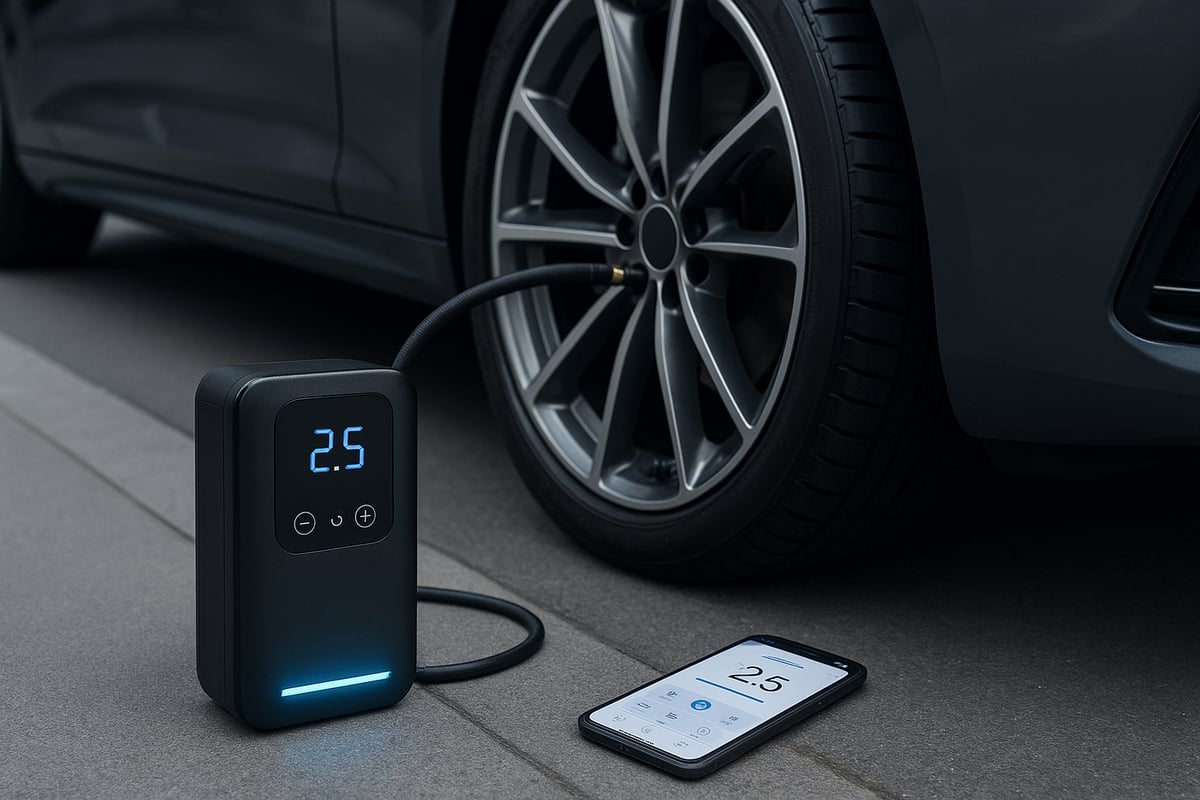
The tire pump of 2026 is smarter and more powerful than ever before. Modern units now feature digital pressure sensors, Bluetooth connectivity, and even app-controlled settings, letting you monitor and adjust tire pressure directly from your phone. Imagine inflating a tire from 28 to 33 PSI in just 35 seconds, as seen with the Fanttik S200 APEX. The leap in inflation speed is matched by impressive battery upgrades, with most models equipped with 5000mAh or larger lithium-ion cells to handle multiple inflations on a single charge.
Safety and convenience are front and center. Auto shut-off and pressure preset features prevent over-inflation, while compact, lightweight bodies make it easy to store your tire pump in a glovebox or trunk. Multifunctional designs are also on the rise, with many pumps doubling as emergency flashlights, power banks, and USB chargers for your devices. The Lexin P5 Portable Tire Pump, for example, incorporates an internal cooling fan, ensuring safe operation even during repeated use.
If you want to see these innovations in action, check out this Portable smart digital tire inflator, which features auto pressure detection and digital controls. The evolution of the tire pump is not just about technology, but about making life on the road simpler and safer for everyone.
Market Trends and Consumer Insights
As tire pump technology advances, so do consumer expectations. Drivers now seek portable emergency tools that combine multiple functions, from inflation to device charging. The growing preference for digital displays and precise pressure monitoring has shaped the market, with users praising accuracy and reliability in product reviews.
Battery evolution is a key trend. In just four years, average battery capacity has jumped from 2000–3000mAh to over 5000mAh, reflecting the demand for longer-lasting, more dependable tire pumps. Consumers also value compatibility, expecting a single tire pump to handle various vehicles, from SUVs and sedans to motorcycles, bicycles, and even sports balls.
Take the Fanttik S200 APEX as an example. Owners highlight its speed and ease of use, noting how it can inflate several car tires or dozens of sports balls on a single charge. The Lexin P5 shines for its versatility, inflating four car tires, eight motorcycle tires, or fifty basketballs per charge. User feedback commonly focuses on the accuracy of pressure readings and the overall convenience these advanced tire pumps provide.
Environmental and Regulatory Changes
The tire pump landscape is also shaped by environmental and regulatory shifts. New regulations require stricter tire pressure safety standards, aiming to boost fuel efficiency and reduce emissions. Manufacturers have responded by using eco-friendly materials and designing energy-efficient pumps that minimize waste and power consumption.
Most 2026 tire pump models now feature smart shut-off systems and advanced sensors to help drivers maintain optimal tire pressure, supporting both safety and sustainability. Some brands update firmware to further improve energy efficiency and meet evolving standards.
These changes mean that choosing a tire pump today is not just about convenience, but also about contributing to a cleaner, safer environment. As regulations continue to evolve, the tire pump will remain an essential tool for responsible drivers, blending innovation with eco-conscious design.
Key Factors to Consider When Choosing a Tire Pump
Choosing the right tire pump is like picking a reliable travel companion. The best one will always have your back, whether you’re on a late-night road trip or prepping for a weekend bike ride. With so many options in 2026, it’s crucial to know what truly matters before making your decision.
Pump Types and Their Pros & Cons
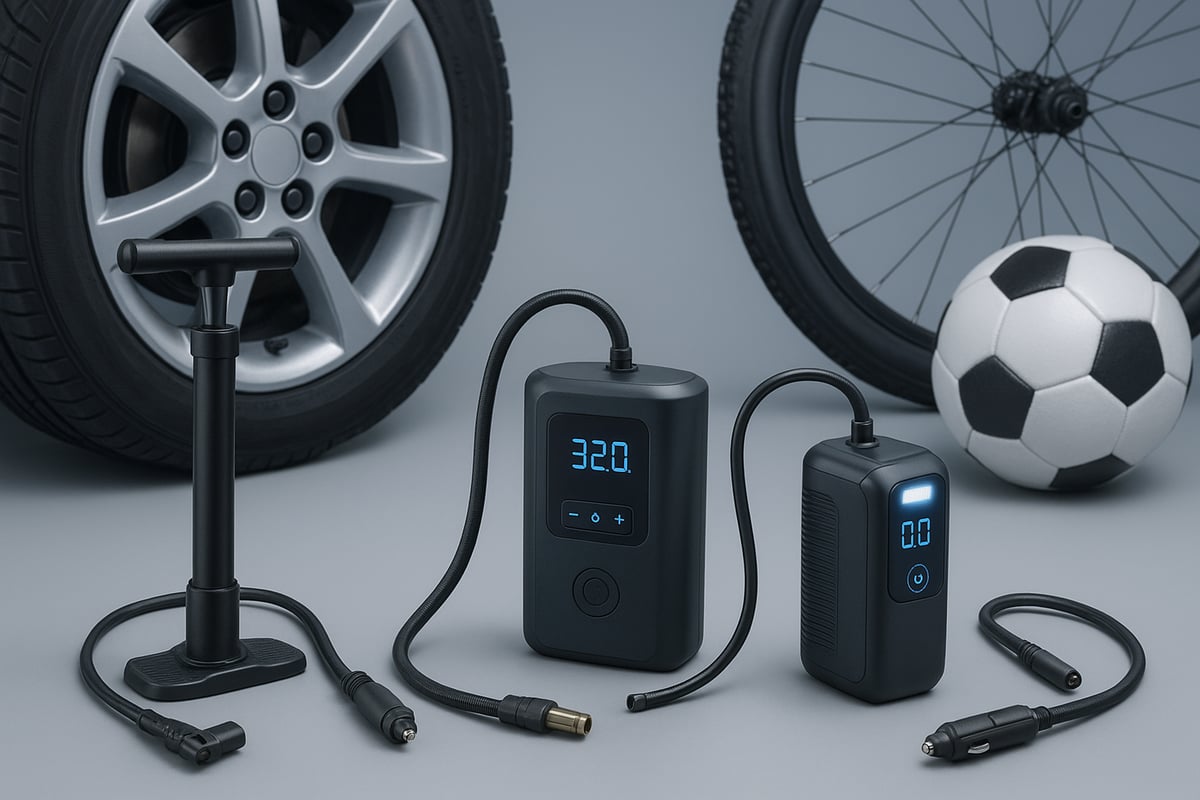
The journey to finding your ideal tire pump begins with understanding the main types available:
- Manual Pumps: Hand or foot operated, these pumps are valued for their reliability. They don’t need batteries or power, making them perfect for emergencies. However, they require more physical effort and are slower for large tires.
- 12V Electric Pumps: Plugged into your car’s outlet, these offer steady performance and are great for home or roadside use. They’re faster than manual pumps but less portable due to the power cord.
- Rechargeable Cordless Pumps: These are the heroes of convenience. Lightweight and easy to store, they use lithium-ion batteries and can inflate several tires on a single charge. Just remember, battery life and charging are key considerations.
- Hybrid Models: Some pumps combine corded and cordless operation, offering flexibility for different scenarios, especially if you switch between cars and bikes.
When choosing a tire pump, think about your most common use cases. For example, if you ride motorcycles and drive a sedan, a rechargeable cordless pump may offer the best balance between power and portability. Choosing wisely means you’ll never be caught off guard by a flat.
Essential Features Checklist
Modern tire pumps come loaded with features that can make a world of difference in daily use. Here’s a quick table to help you compare:
| Feature | Why It Matters | Example |
|---|---|---|
| Max Pressure (PSI) | Handles various tire types | Up to 150 PSI for SUVs, RVs |
| Inflation Speed | Saves time during emergencies | 35s for 28–33 PSI |
| Gauge Type | Accuracy and readability | Digital for precision |
| Preset Modes | Prevents over/under inflation | Auto shut-off at set PSI |
| Nozzle Compatibility | Versatility for different valves | Schrader, Presta, sports balls |
| Extra Functions | Adds value and emergency utility | Flashlight, power bank |
If you’re seeking portability and efficiency, a portable wireless electric tire pump can be a game changer, seamlessly blending cordless freedom with smart features for stress-free inflation.
Look for tire pump models with built-in cooling fans, heat protection, and accessory storage for added safety and convenience. The right features will turn every inflation into a quick, hassle-free task.
Compatibility and Use Cases
Not all tires are created equal, and neither are tire pumps. Before buying, consider what you’ll inflate most often:
- Cars, SUVs, and Sedans: Standard pumps with higher PSI ranges work well.
- Motorcycles and Bicycles: Opt for pumps with adjustable pressure and compatible nozzles.
- ATVs and Trailers: Larger tires may need pumps with robust motors and longer hoses.
- Sports Equipment: Ball needle attachments make inflating basketballs or soccer balls a breeze.
Picture this: You’re at a family picnic and your child’s soccer ball needs air. With a versatile tire pump, you’re the hero who saves the game. Some pumps can inflate up to 50 balls per charge, making them perfect for active families and multi-vehicle households alike.
Always check compatibility with your tire valves and make sure the pump supports the PSI your tires require. Versatility ensures your investment pays off in every situation.
User Experience and Reliability
A tire pump should make your life easier, not harder. Seek models with intuitive controls, clear digital displays, and simple instructions. The best pumps are ready to use right out of the box, with minimal setup.
Portability is key. Compact pumps with storage bags fit neatly in your glovebox or trunk, so they’re always within reach when you need them most. Customer support and warranty also matter; brands like Fanttik and Lexin offer hassle-free returns, giving you peace of mind.
User reviews often highlight real-world strengths and weaknesses. Look for feedback on accuracy, durability, and convenience. A reliable tire pump means you’re ready for anything, whether it’s a Monday morning commute or a spontaneous road trip.
Price, Value, and Warranty Considerations
Investing in a quality tire pump doesn’t have to break the bank. Entry-level models start around $49.99, while premium pumps with advanced features can reach $69.95. Consider what features matter most to you; sometimes paying a little more means getting a lot more value.
Compare warranty coverage. Some brands offer a full year, while others extend to two years for extra reassurance. Return policies, accessory availability, and customer service are also worth weighing before you buy.
Think of your tire pump as an insurance policy for your travels. Choose a model that balances price, features, and support, and you’ll be prepared for whatever the road throws your way.
Step-by-Step Guide: How to Use a Tire Pump Safely and Effectively
Imagine you are driving late at night, miles from home, and you notice your tire pressure warning light flicker on. In that moment, knowing how to use your tire pump is more than just a convenience—it is your ticket to safety and peace of mind. Let us walk through the process together, so you are always prepared for the unexpected.
Preparing for Inflation
Before you start, gather everything you need: your tire pump, hose, correct nozzle (Schrader, Presta, or ball needle), and the user manual. It is wise to keep these items together in your trunk or glovebox for quick access.
Check the battery status or power connection of your tire pump. For cordless models, ensure it is fully charged; for plug-in types, confirm your car outlet works. Some advanced models, like the 85W portable air compressor tire inflator, even double as power banks and offer both wired and wireless charging—perfect for emergencies.
Inspect the tire for visible punctures or damage. If you spot a nail or cut, consider using a repair kit before inflating. Taking a moment for these checks can save you time and prevent further issues.
Setting Up the Pump
Once you are ready, attach the appropriate nozzle to the hose. Make sure it matches your tire valve—Schrader is common for cars, Presta for bikes, and needle attachments for sports balls.
Securely connect the hose to the tire valve. Listen for a slight hiss as you push it on, then twist or clamp it in place to prevent air leaks. This step is crucial for accurate inflation.
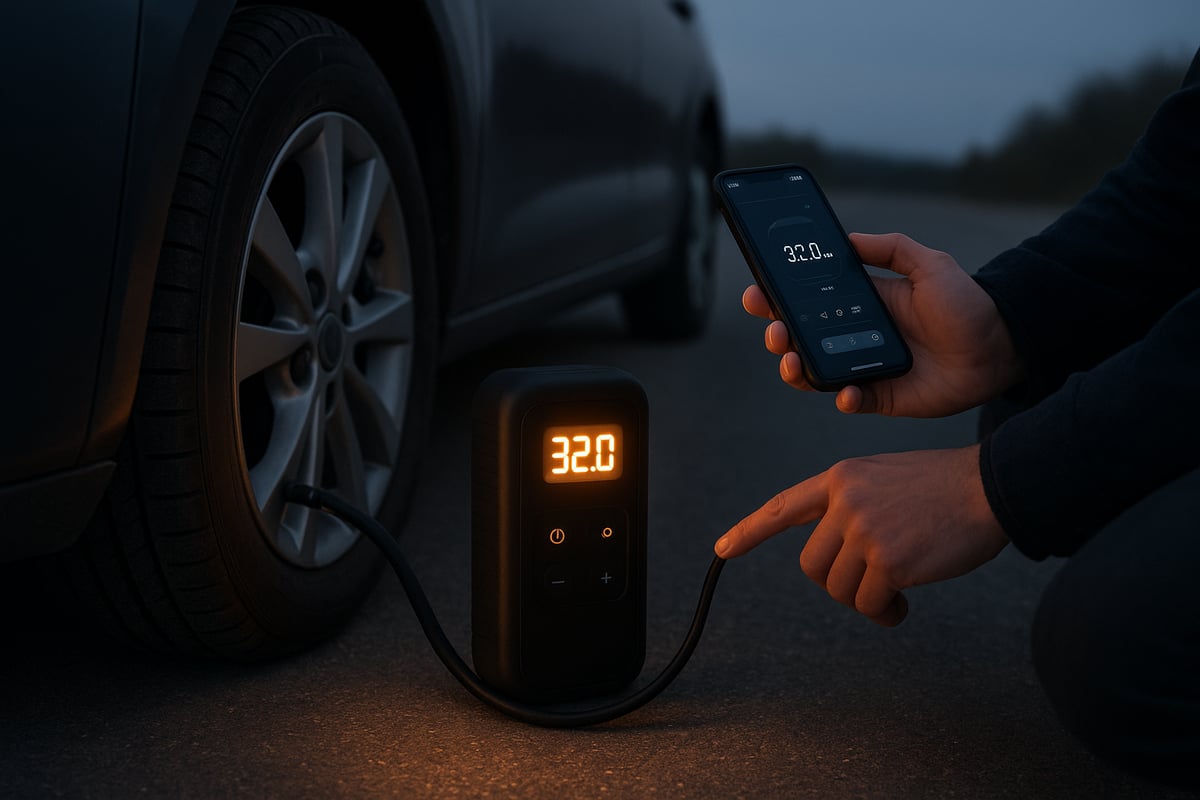
Power on the tire pump. Many modern pumps feature digital controls and pressure presets. Select the correct inflation mode or input your desired pressure. If your model connects to a smartphone app, now is the time to open it for extra convenience and monitoring.
Inflating the Tire
Set the target PSI using the digital interface or manual dial on your tire pump. Most vehicles have a recommended PSI listed on the driver’s side door jamb or in the owner’s manual.
Watch the real-time pressure readings as you start the pump. Initiate inflation by pressing the start button. Many 2026 pumps, such as the Fanttik S200 APEX, will automatically stop when your preset pressure is reached, ensuring you do not over-inflate.
If your pump does not have auto shut-off, keep a close eye on the display. Once you hit the target PSI, turn off the pump immediately. This method keeps your tires safe and prolongs the pump’s lifespan.
Post-Inflation Checks
After inflating, detach the hose from the valve carefully. Move quickly but gently to prevent air from escaping. Even a brief delay can cause a small loss of pressure.
Double-check the tire pressure with a separate, high-quality gauge if you have one. Sometimes, built-in displays on your tire pump may read slightly higher or lower, so a manual check ensures accuracy.
Replace the valve cap and return all accessories to their storage bag or compartment. Keeping your equipment organized means you will always be ready for the next use.
Safety and Best Practices
Never exceed the manufacturer’s recommended PSI for your tires. Over-inflation can be as dangerous as under-inflation, impacting handling and safety.
If you need to inflate multiple tires, use the built-in cooling fan if your tire pump has one. Pumps like the Lexin P5 are designed for several consecutive uses, but it is wise to let any model rest between tires to avoid overheating.
Keep your tire pump charged and stored in an accessible spot, whether that is your trunk, glovebox, or garage shelf. Many pumps now include emergency features such as flashlights and USB power banks, making them invaluable in roadside situations.
Troubleshooting Common Issues
If your tire pump displays inaccurate pressure readings, cross-check with a manual gauge. Some models allow you to recalibrate the display for better precision.
Battery or power issues are common. If your pump will not start, recharge the battery or check all connections. For plug-in models, verify the outlet is functioning.
Leaks at the hose or nozzle can lead to slow inflation. Inspect these parts for cracks or wear and replace them as needed. If the pump overheats, let it cool down before the next use to prevent internal damage.
By following these steps, you will not only extend the life of your tire pump but also gain confidence every time you hit the road.
Tire Pump Maintenance and Longevity Tips
Imagine pulling out your tire pump on a rainy night, only to find it sluggish or refusing to start. Proper maintenance transforms that frustration into peace of mind, ensuring your tire pump works perfectly when you need it most.
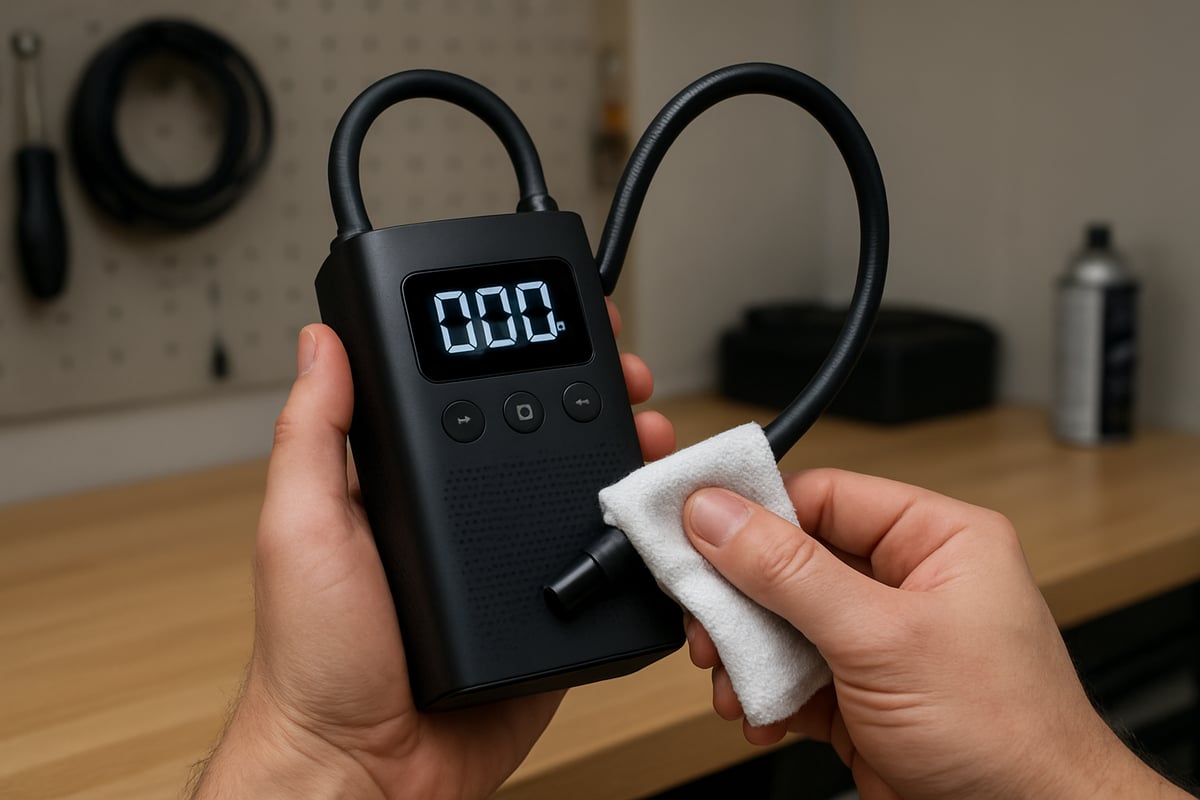
To keep your tire pump in top shape, start with the basics. Wipe down the exterior after each use to remove dust and debris. Pay special attention to the hose and nozzle, as dirt buildup there can lead to clogs or leaks. Always store your tire pump in a cool, dry place, away from direct sunlight or extreme temperatures, to protect its battery and electronics.
Battery care is vital for every tire pump owner. After each use, recharge the battery fully and avoid letting it drain completely before the next use. This simple habit helps extend battery lifespan and ensures your tire pump is always ready for emergencies. For corded models, inspect the power cable and plug for any wear or damage before storing.
Regular inspections prevent small issues from becoming big problems. Check hoses, nozzles, and seals for cracks or signs of fatigue. Replace any worn accessories promptly to maintain airtight performance. For smart pumps, keep an eye out for firmware updates that can improve features and fix bugs. Staying current with Smart Pump Technology Innovations can help you get the most out of your tire pump’s digital capabilities.
Follow the manufacturer’s guidelines for cleaning, storage, and service intervals. Most brands recommend replacing hoses and needles every couple of years, depending on usage. If your tire pump is under warranty, don’t hesitate to reach out for support or repairs. Keeping proof of purchase and knowing your warranty terms can save time if issues arise.
By caring for your tire pump with these simple routines, you extend its life and guarantee reliable performance. With a well-maintained tire pump, you’re always prepared—on the road, at home, or anywhere adventure calls.
Real-World Examples: Comparing Top Tire Pumps of 2026
Imagine you are driving late at night, miles from the nearest service station, when your tire warning light comes on. In 2026, the right tire pump can turn this stressful moment into a simple pit stop. Let’s step into the shoes of real drivers and see how today’s top models perform when it matters most.
Fanttik S200 APEX Cordless Air Pump
Picture a busy parent juggling errands, only to find a tire running low on pressure before school drop-off. The Fanttik S200 APEX cordless air pump steps in as a reliable ally. This tire pump boasts a max pressure of 150 PSI and can inflate a typical car tire from 28 to 33 PSI in just 35 seconds. Its powerful 5000mAh battery supports up to 27 inflations per charge, making it a favorite for families and commuters alike.
With Accuinflate technology, the Fanttik S200 APEX ensures both speed and precision. Features like auto shut-off, a built-in power bank, and an emergency light add layers of convenience for unpredictable roadside situations. While most users praise its fast performance and compact design, some mention occasional discrepancies in gauge accuracy. At $49.99, this tire pump delivers a blend of value and versatility for everyday drivers.
Lexin P5 Portable Tire Pump
Now, consider an adventurous motorcyclist prepping for a weekend ride. The Lexin P5 portable tire pump is built for such journeys, with a rugged design and a high-capacity 5000mAh battery. Adjustable from 2 to 150 PSI, this tire pump is ready for cars, motorcycles, and even sports equipment, inflating up to 4 car tires, 8 motorcycles, or 50 basketballs in a single charge.
The Lexin P5 stands out with its digital monitoring, auto shut-off, and USB-A charging. An internal cooling fan means you can inflate multiple tires without overheating worries. Users highlight its long battery life, sturdy build, and intuitive controls. The two-year hassle-free warranty adds peace of mind, though some note it may struggle with extra-large tires and sits at a higher price point of $69.95. For those who value durability and broad compatibility, this tire pump is a top contender.
Other Notable Models (briefly mention)
Beyond these two, many drivers still rely on 12V plug-in pumps for home or garage use. These models connect directly to your vehicle’s power outlet, offering steady performance but less flexibility on the go. Manual pumps, like hand or foot-operated models, remain a backup for emergencies where electricity is unavailable. Each tire pump type serves a unique purpose, and recent Tire Technologies Market Insights reveal that consumer preferences are shifting toward multi-functional, portable tools that blend accuracy with convenience.
User Feedback and Ratings
Peer reviews can make or break a tire pump’s reputation. The Fanttik S200 APEX earns an impressive 4.7 out of 5 stars from 83 reviewers, with users raving about its speed and portability. The Lexin P5 is praised for its battery life, easy-to-read digital display, and versatility across vehicle types. Common pain points across both include minor gauge accuracy concerns, noise level during operation, and the challenge of storing accessories neatly. Listening to real-world feedback helps pinpoint which tire pump features matter most for daily use.
Feature Comparison Table
Below is a side-by-side comparison of these leading tire pump models:
| Feature | Fanttik S200 APEX | Lexin P5 Portable | 12V Plug-In/Manual |
|---|---|---|---|
| Max Pressure | 150 PSI | 2–150 PSI | 100–150 PSI |
| Battery Capacity | 5000mAh | 5000mAh | N/A |
| Inflation Speed | 35 sec (28–33 PSI) | 4 car tires/charge | Varies |
| Auto Shut-Off | Yes | Yes | Some/No |
| Extra Functions | Power bank, flashlight | USB-A charging, cooling | Limited |
| Warranty | 1 year | 2 years | Varies |
| User Rating | 4.7/5 | Highly rated | Mixed |
| Price | $49.99 | $69.95 | $20–$50 |
Choosing the right tire pump is about more than numbers. It’s about finding the one that fits your lifestyle, gives you confidence on the road, and delivers when you need it most.
Frequently Asked Questions About Tire Pumps in 2026
Ever wondered how modern tire pump technology fits into your busy life or what sets the latest models apart? These FAQs will help you confidently navigate the world of tire pump options, maintenance, and troubleshooting in 2026.
How long does a portable tire pump battery last in 2026?
Most rechargeable tire pump models now feature batteries of 5000mAh or more. On a full charge, expect to inflate up to four car tires, eight motorcycle tires, or a dozen bicycle tires before needing a recharge. Always check your model’s manual for specific numbers, as performance can vary with tire size and conditions.
Can I use one tire pump for all my vehicles and sports equipment?
Absolutely! Many 2026 tire pump models come with multiple nozzle adapters, making them compatible with cars, motorcycles, bikes, ATVs, and even sports balls. For drivers who value versatility, consider a 4-in-1 portable car vacuum and inflator, which combines inflation, cleaning, and emergency functions in one compact unit.
What’s the difference between digital and analog tire pumps?
Digital tire pump models offer easy-to-read displays, precise pressure settings, and often include smart features like Bluetooth connectivity. Analog pumps rely on traditional dials and are valued for their simplicity and reliability, especially in emergencies or when electronics might fail.
How accurate are built-in pressure gauges on a tire pump?
Accuracy has improved with technology, though some users report minor variations. For peace of mind, cross-check with a manual gauge if you’re concerned. Advancements in tire pressure monitoring systems also help ensure your readings stay safe and reliable.
What should I do if my tire pump overheats or stops working?
If your tire pump gets hot, let it cool down before using it again. Many newer pumps have built-in cooling fans and automatic shut-off to prevent overheating. If performance issues persist, inspect the hose and connections for wear, or consult the manufacturer for support.
Are tire pumps safe for all tire types and sizes?
Most modern tire pump models are designed for a wide range of tires, from compact cars to SUVs and bicycles. However, always check the maximum PSI and compatibility guidelines. For very large tires like those on RVs or trailers, ensure your pump is rated for higher capacities.
How often should I check and inflate my tires with a tire pump?
Checking your tire pressure at least once a month is recommended. Regular use of a tire pump keeps your vehicle safe, improves fuel efficiency, and helps tires last longer.
What warranty and support should I expect from leading brands?
Top brands usually offer warranties from one to two years. Fanttik provides a 1-year warranty, while Lexin offers a 2-year hassle-free guarantee. Always review customer support options and return policies before purchasing your tire pump.
Where can I buy reliable tire pumps and accessories?
Look for trusted retailers, both online and in-store, that specialize in automotive tools. Prioritize brands with strong warranties, responsive customer service, and positive user reviews for your next tire pump purchase.
Top 7 Interior Car Cleaning Kit Picks for 2026
Dec 30, 2025
9 Essential Detail Kit For Car Picks in 2026
Jan 1, 2026
Further reading


Leave a comment